
The Strategic Shift to Vietnamese Origins
Global importers are actively diversifying their supply chains to maintain margin stability in the fresh produce sector. Vietnam has emerged as a highly capable origin for wholesale fruits, particularly for unique banana varieties. The country combines extensive cultivation areas with increasingly efficient export infrastructure tailored to maritime freight. For European and international buyers, integrating Vietnamese bananas into the broader procurement mix offers a distinct commercial advantage. Steady production volumes and established shipping routes to major European receiving hubs allow category buyers to meet consistent retail demand without over-relying on traditional Latin American or African origins. Sourcing from Southeast Asia also provides a strategic buffer against weather-related supply disruptions in other growing regions. By establishing robust trade lanes with Vietnamese exporters, wholesale distributors secure a reliable pipeline of produce that supports long-term retail programmes.
Evaluating Regional Banana Varieties
Successful procurement requires a deep understanding of the specific varieties available for export from the region. Two notable regional varieties are Chuoi sap and Chuoi bom, each serving distinct market requirements and consumer demographics. Importers must test consumer response to these regional profiles, as their culinary applications differ vastly from the standard Cavendish variety that dominates supermarket shelves. Chuoi sap requires cooking before consumption, making it highly suitable for food service supply chains, culinary processors, and specialised ethnic wholesale markets. Conversely, Chuoi bom offers exceptionally high yields per hectare, driving down the unit cost for buyers targeting bulk applications or commercial processing. Market segments for these regional bananas sometimes remain undefined in traditional European retail spaces, which offers a significant first-mover advantage to distributors willing to introduce specific cooking and processing varieties to their network.
| Variety | Primary Market Application | Average Domestic Price |
|---|---|---|
| Chuoi sap | Culinary and specialised cooking supply | 18000VND/kg |
| Chuoi bom | Bulk processing and volume consumption | 10000VND/kg |
Agricultural Practices and Fruit Condition
The baseline quality of exported fresh produce depends heavily on the cultivation practices maintained at the origin point. Vietnamese growers are increasingly adopting sustainable agricultural methods that directly impact fruit condition upon arrival at the destination port. Eco-friendly farming techniques and responsible water management improve soil health, resulting in bananas with better structural integrity and an extended shelf life during long maritime transits. Careful field handling and reduced reliance on harsh chemical interventions ensure the fruit develops a robust peel, which is critical for preventing mechanical damage during sorting, packing, and palletising. For buyers with specific retail compliance requirements or strict corporate social responsibility mandates, certified lots including Organic, Fair Trade, and Rainforest Alliance are available on request.
Wholesale Pricing and Negotiation Models
Securing the best commercial terms in Vietnam requires a clear understanding of local pricing dynamics and cost structures. Domestic wholesale prices provide a strong and transparent baseline for export negotiations. The average price of Chuoi sap bananas stands at 18000VND/kg, while the high-yield Chuoi bom variety averages 10000VND/kg in the local market. Buyers negotiating forward contracts should factor these domestic baselines against the supplementary costs of export preparation. These additional requirements include post-harvest processing, specialised ventilated packing materials, and inland freight to the primary export terminal. A direct procurement strategy that locks in volume early in the harvest cycle protects wholesale buyers from spot market volatility and unexpected price hikes. Structuring payments and volume commitments around these clear domestic price points allows importers to build accurate, long-term landed cost models for their European distribution centres.
Expediting Logistics and Customs Clearances
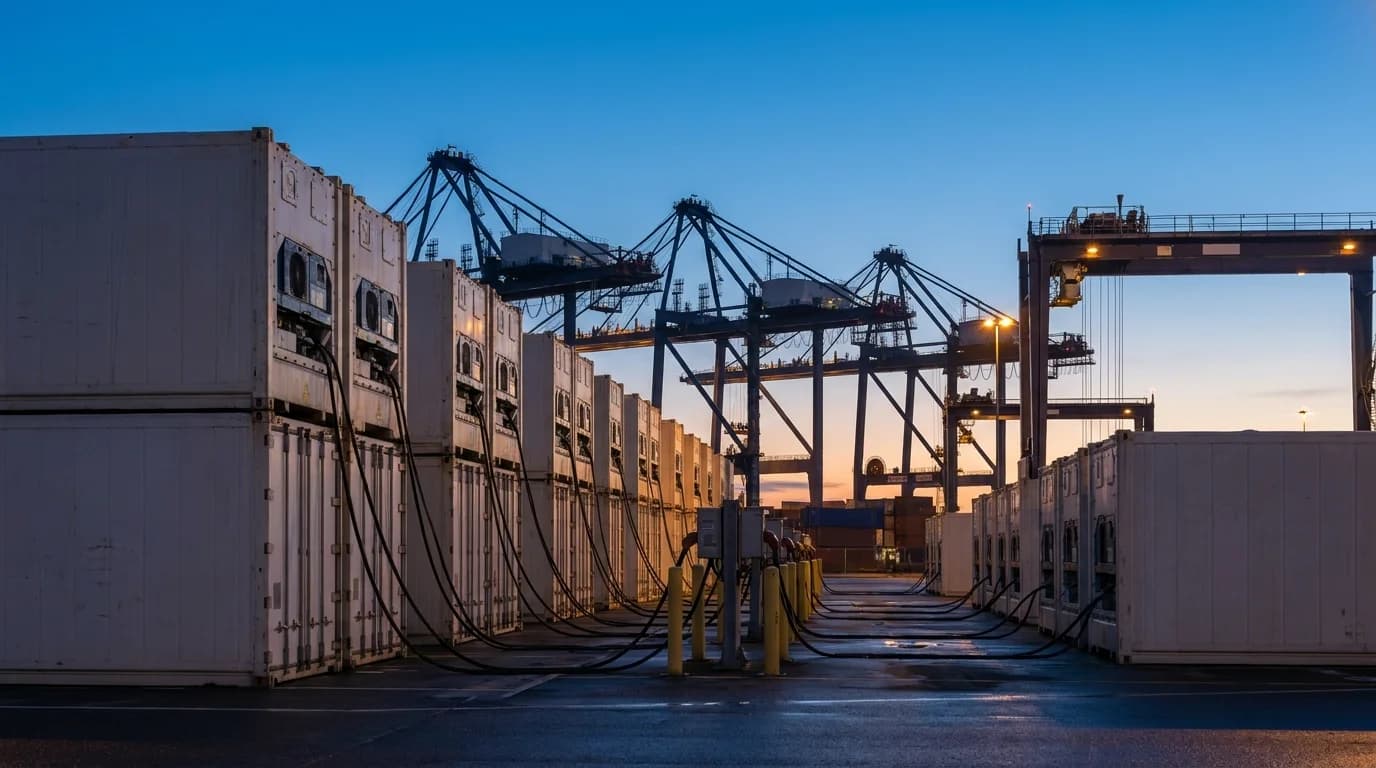
Moving perishable inventory from Vietnamese packing houses to international destination ports requires robust logistics planning and seamless regulatory compliance. Vietnam offers structural advantages for recurring logistics operations that heavily benefit volume importers. Category buyers running steady, high-volume seasonal programmes can expedite their operations through single customs declarations. When regular shipments of identical goods move under the same purchase contract within a defined delivery window, local customs frameworks allow the use of a single overarching declaration form. This regulatory efficiency sharply cuts administrative delays at the port of loading, reducing the total transit time and ensuring the fruit maintains optimal freshness within the reefer container. Claimable per-shipment paperwork, such as the Certificate of Origin and specific phytosanitary documentation, moves swiftly through this expedited channel, preventing costly port demurrage charges.
Establishing Reliable Procurement Partnerships
Resilient supply chains rely entirely on strong relationships with established Vietnamese growers and competent export consolidators. Importers should vet their procurement partners based on their capacity to manage strict harvest schedules, conduct rigorous pre-shipment quality assessments, and load containers to exacting temperature and ventilation specifications. A capable partner efficiently manages inland transport using temperature-controlled trucks, bridging the critical gap between the rural plantation and the primary export terminals in major coastal cities. Building these strategic relationships ensures priority allocation during peak seasonal demand windows and secures a stable, uninterrupted supply of premium fresh inventory for discerning international markets.
Frequently Asked Questions
What are the primary commercial applications for the Chuoi sap banana variety?+
How do Vietnamese customs procedures benefit regular volume importers?+
Can European buyers source certified sustainable bananas from Vietnam?+
What is the commercial advantage of procuring the Chuoi bom variety?+
Sources
- https://vinpearl.com/en/vietnamese-bananas-5-recipes-to-enjoy-this-healthy-fruit
- https://vinwonders.com/en/wonderpedia/news/vietnamese-bananas-chuoi-a-delightful-fruit-from-vietnam