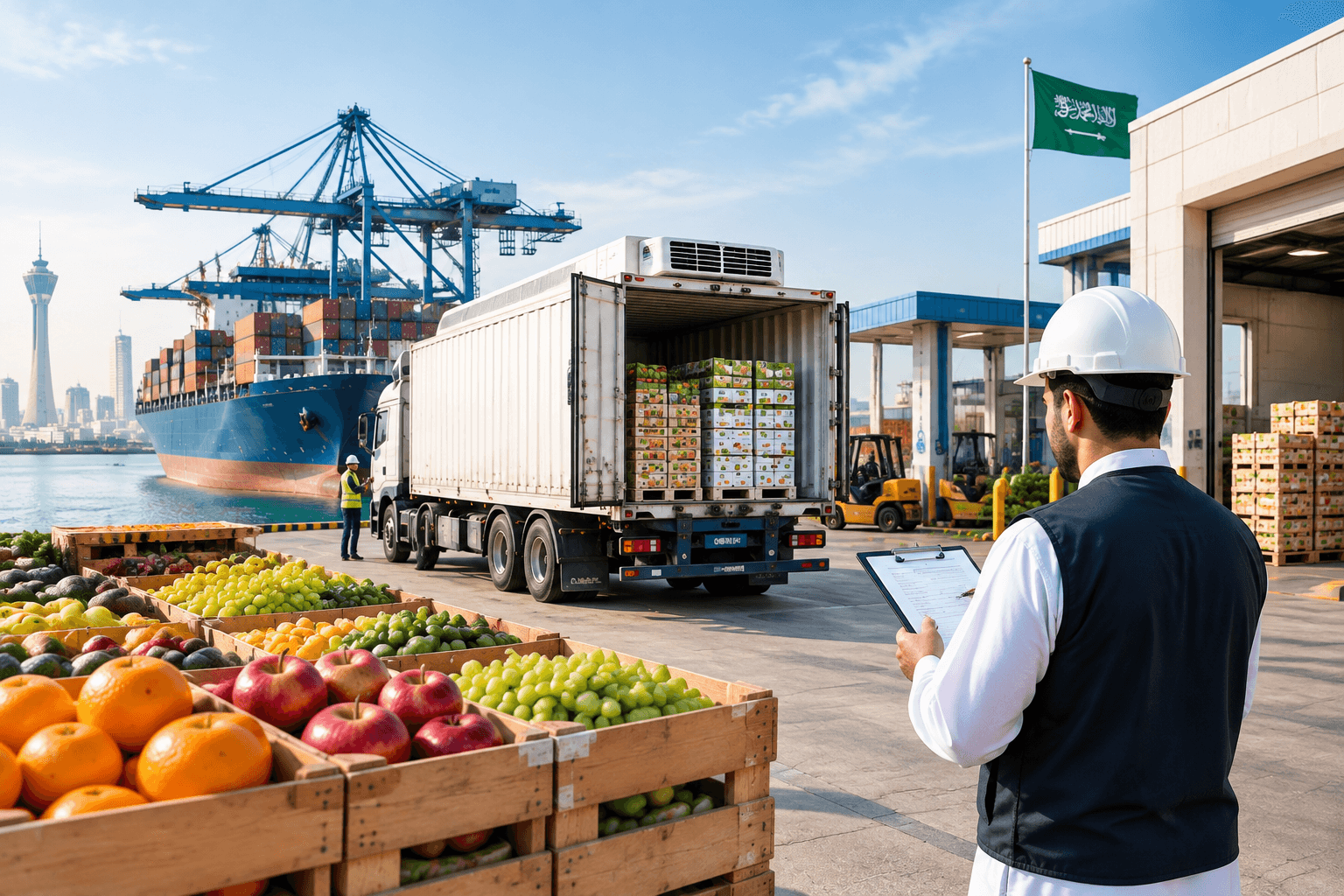
Importing fresh fruits into Dubai requires a valid trade license, a stamped certificate of origin, and an original phytosanitary certificate to clear strict port pesticide checks. Importers must also coordinate with their fruit supplier to ensure all standard cartons are labelled with the harvest and packaging dates before the vessel sails.
The Dubai fresh fruit import landscape
Dubai operates as a high-volume consumption market and a regional re-export hub for the broader Gulf. According to customs data published by FreshPlaza, the United Arab Emirates imported 3,000,000 tonnes of fresh fruits and vegetables across the 2022 calendar year. A large share of this volume enters through Jebel Ali to supply both domestic retail and neighbouring wholesale markets.
To meet this demand, buyers rely on established corridors and origin countries capable of scaling their output. Figures from the USDA Foreign Agricultural Service show that South Africa held a 21 percent market share of fresh fruit exports to the United Arab Emirates during 2020. Securing a reliable supply line from these major origins requires strict compliance with local entry regulations.
What documents are required to import fresh fruit into the UAE?
Buyers asking what documents are required to import fresh fruit into the UAE must start by registering their business. The Dubai Department of Economic Development requires importers to possess a valid trade license to bring goods into the country. Without this license in place, an importer cannot legally clear a commercial shipment.
Once licensed, the buyer needs a complete file of transit and clearance paperwork for every container. The routine documents include a commercial invoice, a detailed packing list showing weights and HS codes, and a formal certificate of origin. The United Arab Emirates Federal Customs Authority requires that this certificate of origin states the country of origin and is approved by the Chamber of Commerce in the exporting country. A buyer usually relies on their fruit supplier to arrange these origin documents prior to loading. Importers should always confirm current paperwork requirements with their customs broker, as port regulations frequently update.
How do phytosanitary and pesticide checks work?
Every agricultural shipment undergoes health and safety inspections when it reaches a Dubai port. The exporter must secure an original phytosanitary certificate from their local plant authority, which serves as a declaration that the cargo is free of regulated pests and diseases. This per-shipment document is non-negotiable for customs entry.
Beyond checking the paperwork, Dubai port authorities conduct strict pesticide residue tests on the physical fruit upon arrival. A shipment that exceeds the maximum residue limits permitted in the United Arab Emirates will fail clearance and face destruction or return. Buyers protect themselves by partnering with a fruit supplier that actively monitors chemical applications during the growing season, ensuring the harvest will pass destination checks.
What are the packaging and labelling rules?
Carton labelling must meet federal standards before the fruit leaves the origin packing house. Correctly formatted labels prevent costly delays and mandatory repackaging at the destination port. The United Arab Emirates Government dictates that labels on fresh fruit and vegetable packaging must display the production or harvest year and the packaging date.
Unlike processed foods, fresh produce operates under practical exemptions designed to keep supply chains moving. The same government rule states that fresh fruit and vegetable cartons are exempt from showing an expiry date. The importer must instruct their fruit supplier to apply labels that strictly follow these active requirements rather than defaulting to generic food packaging templates.
Comparing the core clearance documents
A missing stamp or an incorrect date is the most common reason a plugged reefer incurs demurrage charges at the port. The clearance file divides into commercial records generated by the exporter and official certificates issued by government authorities.
| Document | Issued by | Requirement |
|---|---|---|
| Trade license | Dubai Department of Economic Development | Mandatory for the business before initiating a purchase |
| Certificate of origin | Origin Chamber of Commerce | Must state the country of origin and bear an official approval |
| Phytosanitary certificate | Origin plant authority | Required to pass agricultural inspections upon arrival |
| Packing list | Fruit supplier | Must detail exact carton counts and standard HS codes |
This breakdown shows that the buyer holds responsibility for their own trade license, while the exporter manages the origin paperwork. A fruit supplier that fails to secure a chamber-approved certificate of origin or an original phytosanitary certificate will leave the buyer unable to clear the container.
Coordinating with a fresh produce importer in Jebel Ali
A fresh produce importer in Jebel Ali buys in full container loads to keep the freight cost per kilo viable. The packing format and minimum order volume dictate how a container is structured, loaded, and declared to customs.
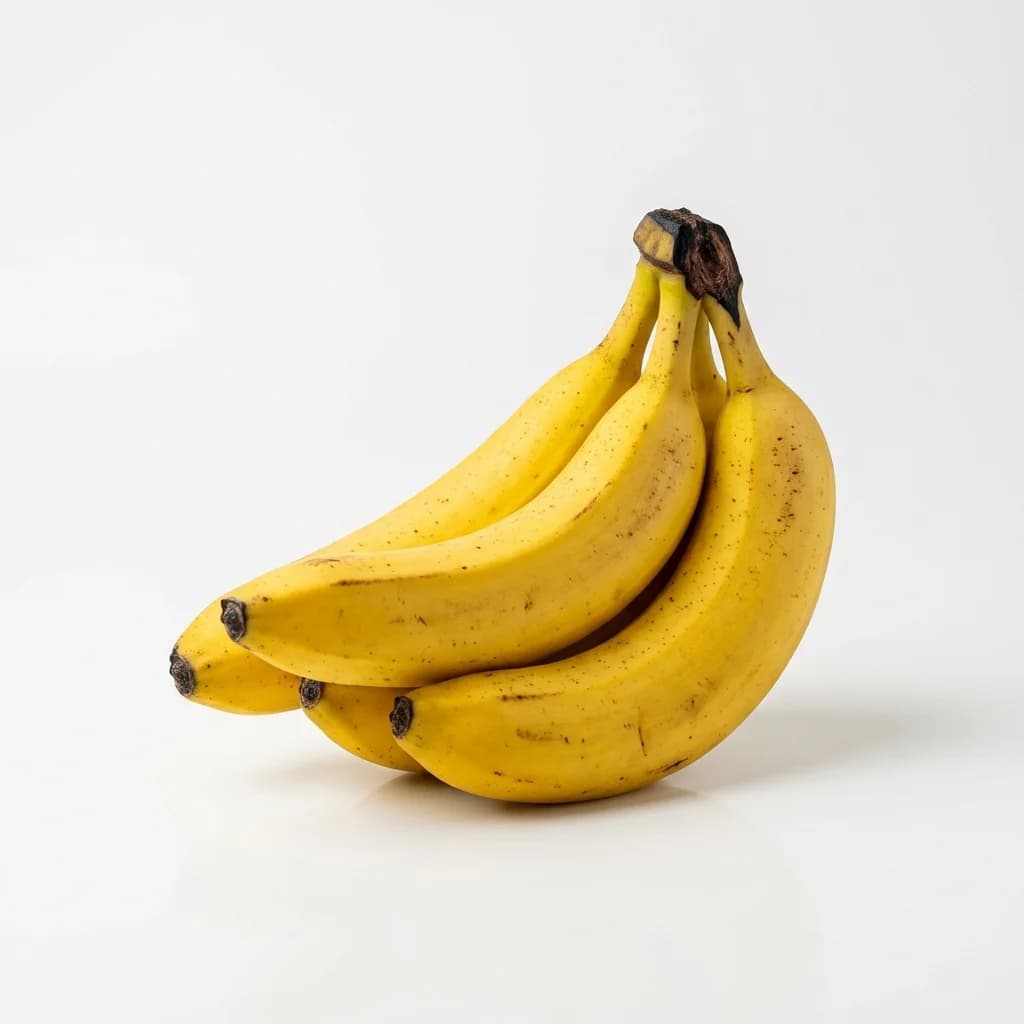
We supply Cavendish bananas packed in 13.5 kg cartons. This is the common format for this destination, though the final packing always follows the buyer's order. Our minimum order volume for Cavendish bananas is 14.5 tonnes, which secures a standard container load for wholesale distribution. Working with these standard weights ensures the supplier packing list matches the commercial invoice exactly, which streamlines the final customs declaration.
What happens if my fruit shipment arrives without a phytosanitary certificate?+
Can the standard carton packing format be changed?+
Are there expiry date labelling exceptions for processed produce?+
Which document usually holds a shipment up at the port?+
Secure standard loads of Cavendish bananas
See the 13.5 kg packing formats, current container loads and full specifications for importing into your market this season.
View banana specificationsSources
- FreshPlaza, Gulf states imports grow
- USDA Foreign Agricultural Service, Opportunities for U.S. Agricultural Exports to the UAE
- International Trade Administration, United Arab Emirates Import Requirements and Documentation
- USDA Foreign Agricultural Service, Food and Agricultural Import Regulations and Standards 2018
- Nawa Fresh, Cavendish banana specification