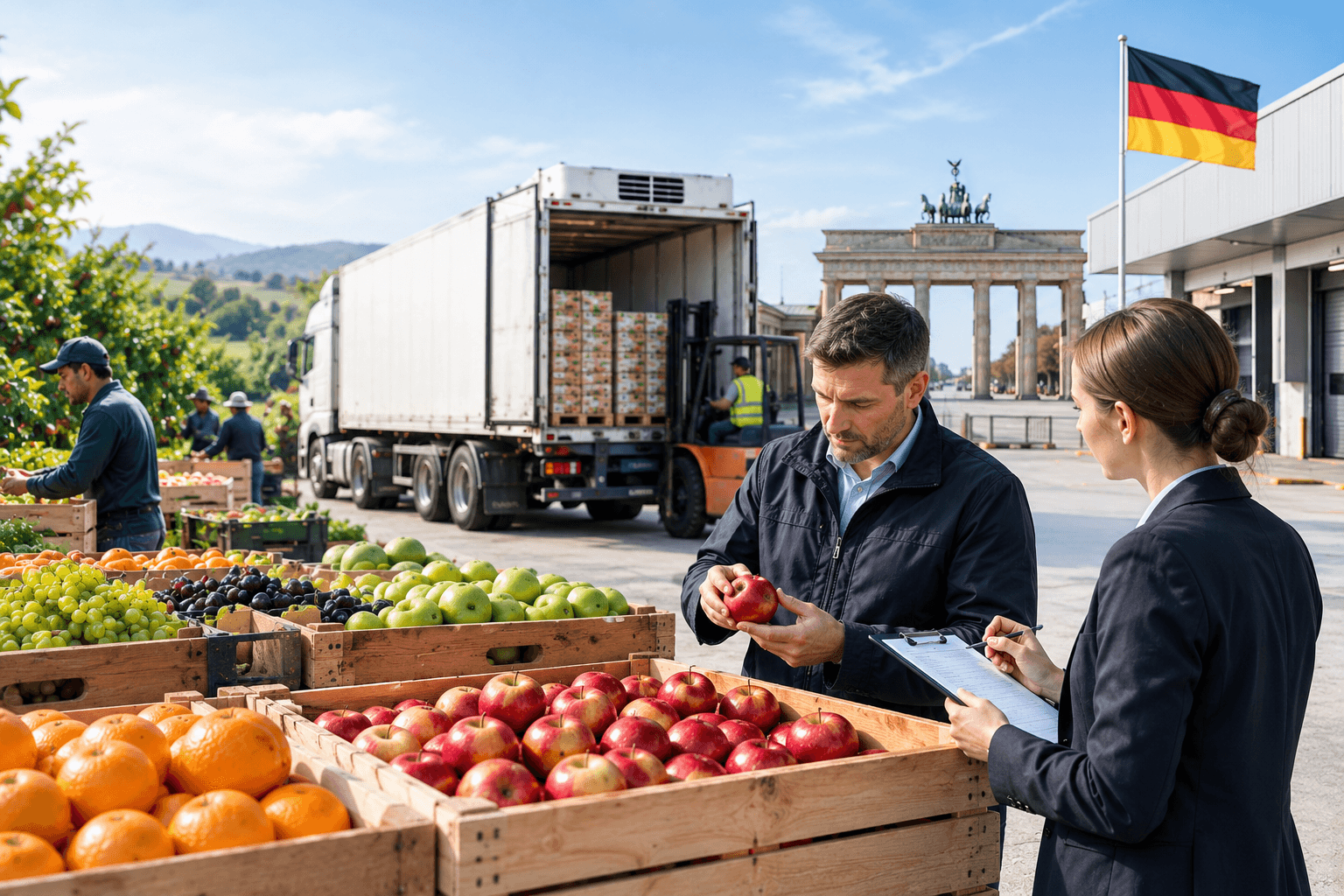
Importing Fuji apples into Saudi Arabia requires registering the product on the Saudi Food and Drug Authority electronic system before loading and ensuring the cargo meets Gulf Technical Regulation standards for fresh produce. On the wholesale floor, the value of an imported Fuji apple shifts based on seasonal harvests at origin, global ocean freight rates, and the cosmetic grade packed for the destination market.
Price drivers for imported Fuji apples
Wholesale values respond primarily to the harvest cycles of major producing regions and the availability of export-grade fruit. When major origins transition from fresh harvest to controlled atmosphere storage, holding costs and shrinking export volumes push wholesale prices upward.
- Seasonal transitions between northern and southern hemisphere growing regions
- Cosmetic grading criteria, as full red colouration commands a premium over striped fruit
- Fluctuating ocean freight rates along the shipping corridors to the Gulf
How do I register on the SFDA electronic system?
As reported by the USDA Foreign Agricultural Service, the Saudi Food and Drug Authority requires that all imported food products must be registered electronically through the SFDA food import registration system before shipment. A Fuji apple supplier cannot load the container until this clearance is initiated by the buyer.
The local importer creates an account on the electronic platform to input the product details, harmonised system codes, and origin data. Without this step completed prior to departure, customs authorities at the port of entry will refuse the cargo.
Compliance with Gulf Technical Regulation GSO 123
The Saudi Food and Drug Authority mandates that fresh fruits must meet the safety and quality requirements outlined in Gulf Technical Regulation GSO 123 for fresh vegetables and fruits. This regulation defines the baseline parameters for physical condition, pest freedom, and agricultural residue limits.
Inspectors at the Saudi border check incoming apples against these criteria. Consignments showing decay, chill damage, or chemical residues outside the permitted limits face rejection, requiring the buyer to either destroy the cargo or re-export it at their own expense.
Packaging and bilingual labelling requirements
Saudi customs strictly enforces packaging and labelling rules for all commercial produce imports. Every carton of apples must carry a label indicating the product name, the packer details, and a clear country of origin declaration.
These details must be printed in Arabic, though bilingual labels in Arabic and English are standard practice for international trade. Cartons arriving with missing origin declarations or English-only text are routinely held at the port until the labelling is corrected, adding demurrage costs and risking the condition of the fruit.
How do you clear customs without your own import permit?
Buyers without their own import permit can still receive wholesale Fuji apples by selecting the correct shipping terms. We present DDP through our Saudi company as one of two routes alongside CFR and CIF options.
| Incoterm | Ocean freight arranged by | Clearance arranged by | Best suited for |
|---|---|---|---|
| FOB | The importer | The importer | Buyers with global shipping contracts |
| CFR and CIF | The supplier | The importer | Buyers holding Saudi registration |
| DDP | The supplier | The supplier via their Saudi company | Buyers without their own import permit |
This comparison shows how liability shifts across different shipping routes. A produce supplier in Riyadh with full clearing capabilities usually buys on CFR or CIF to control their own clearance, while wholesale distributors who want landed stock prefer DDP to avoid border administration.
Selecting a reliable Fuji apple supplier
A reliable Fuji apple supplier manages the strict documentation timeline required by Saudi authorities before the vessel sails. The phytosanitary documentation and Certificate of Origin must perfectly match the details submitted to the SFDA system to prevent delays upon arrival.
The packer must also understand Saudi market preferences, sorting the apples for the high colouration and firm pressure that wholesale buyers demand. Proper packing in telescopic tray-pack cartons prevents transit bruising, ensuring the fruit passes the physical inspection at the border.
What documents are required for Saudi customs clearance?
Can the carton labels be printed in English only?
What happens if a shipment fails the physical inspection?
How are wholesale Fuji apples packed for sea freight?
Check availability and order Fuji apples
See the current seasonal options, packing formats, and request a quote for delivery to your Saudi port or warehouse.
Order Fuji Apples