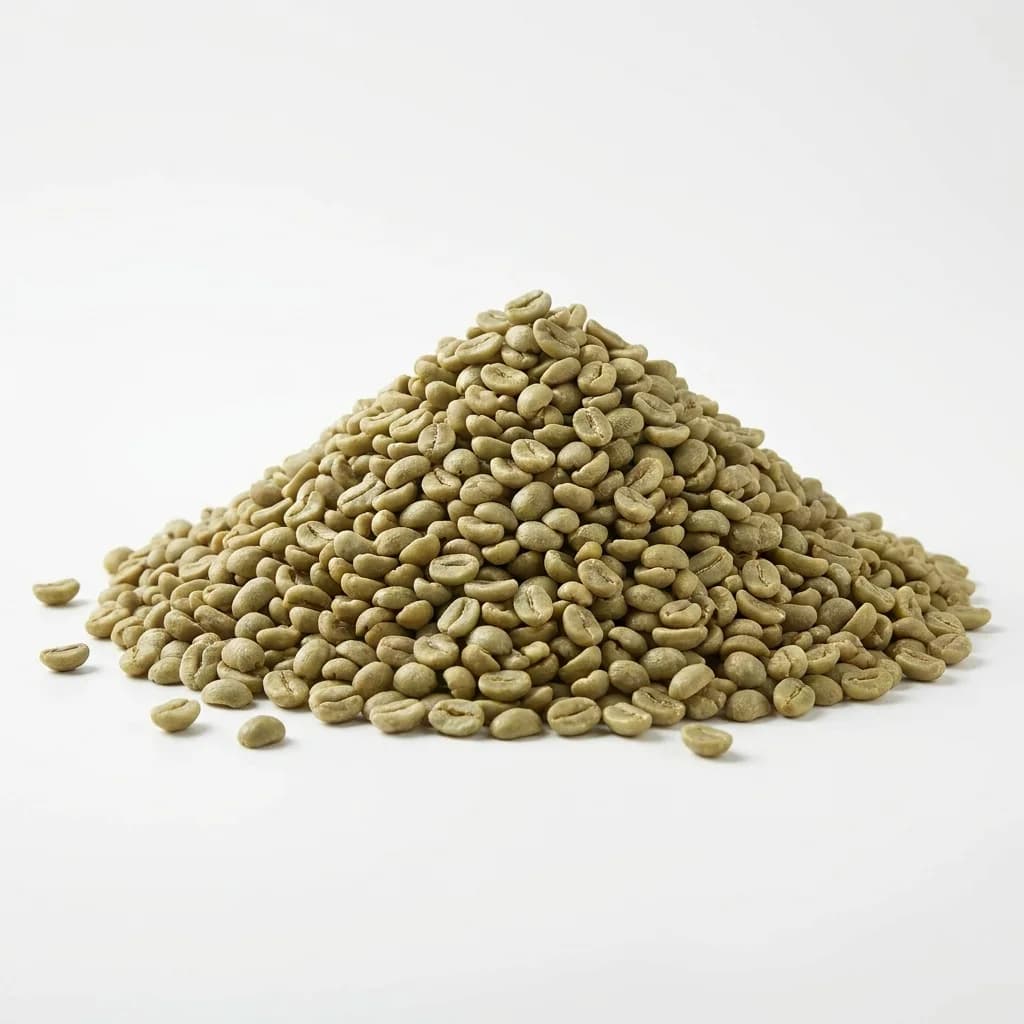
Green Coffee Beans
Premium African green (unroasted) coffee beans sourced from East Africa, suitable for roasting, blending, and specialty coffee production.
- Country of origin
- Kenya & Uganda View sourcing & shipping details
- We ship this to
- 🇦🇪 United Arab Emirates🇸🇦 Saudi Arabia🇶🇦 Qatar
- Availability
- Year-round. Kenya's main crop is harvested from October to December and reaches the Nairobi Coffee Exchange from about January, with a smaller early crop in the middle of the year. Kenyan export shipments are lowest in December and peak from April to July.
Premium African green (unroasted) coffee beans sourced from East Africa, suitable for roasting, blending, and specialty coffee production. Demand is growing steadily across Gulf markets, specialty cafes, and major commercial chains.
Product Specifications
- Country of origin
- Kenya & Uganda
- Grade
- Kenya AA (screen 17/18) / AB / PB
- MOQ
- 1 × 20ft container (~18-19 MT)
- Certifications
- Organic (EU/USDA), Fair Trade, Rainforest Alliance available on request
- Season
- Peak Apr–Jul · Available year-round
- Product characteristics
- Unroasted green coffee beans, suitable for commercial roasting and export trade.
- Taste
- Balanced acidity and an aromatic profile that varies by origin.
- Nutritional profile
- Naturally contains caffeine and antioxidants (polyphenols).
- Ripening & storage
- Store in a cool, dry, and well-ventilated area. Protect from moisture and direct sunlight.
- Suggestions for use
- Specialty coffee roasting, espresso and filter blends, commercial coffee production.
Frequently Asked Questions about Green Coffee Beans
We source two main varieties: Arabica (Kenya AA, AB grades and Uganda Bugisu) known for bright acidity, complex flavors, and wine-like notes, and Robusta (Uganda) known for higher caffeine content, stronger body, and excellent crema for espresso blends. Both are available as washed or natural processed depending on flavor profile requirements.
Minimum order is one 20ft container (approximately 18-19 metric tons in 60kg jute bags or 1MT big bags). Volume discounts apply for orders of 5+ containers.
Store green coffee in a cool (15-20°C), dry (50-60% humidity), well-ventilated area away from direct sunlight and strong odors (coffee absorbs smells easily). In proper conditions, green coffee maintains optimal freshness for 12-18 months. Use GrainPro or hermetic bags for extended storage protection against moisture and pests.
We can supply coffee with various certifications depending on your market requirements: Organic (EU/USDA), Fair Trade, Rainforest Alliance, UTZ (now merged with Rainforest Alliance), and specialty Q-Graded lots. Certified coffees require advance booking (2-3 months) and carry premium pricing. Please specify certification needs when requesting quotes.
Kenya's main crop is harvested from October to December and reaches the Nairobi Coffee Exchange from about January, with a smaller early crop in the middle of the year. Kenyan export shipments are lowest in December and peak from April to July. Uganda harvests year-round with peak volumes in October-February (Robusta) and June-August (Arabica). Fresh crop availability from both origins ensures year-round supply.
Kenya uses AA/AB/PB grades based on bean size (AA is the largest grade, screen 17 to 18, followed by AB, and PB is the peaberry). Uganda grades by defect count and bean size. We provide full documentation including: screen size analysis, defect count, moisture content (max 12%), cup score for specialty lots, and green coffee color rating. Sample approval available before full order confirmation.
Related Products
Related Guides & Insights
FOB, CFR, or CIF: Which Incoterm Should You Choose for a Fresh Produce Container?
The Incoterm you pick decides who books the reefer, who carries the risk if the temperature drifts, and who files the claim when a container arrives short. This guide breaks down FOB, CFR, and CIF for fresh produce buyers and shows how each term lines up with your freight setup and payment terms.
How to Choose a Reliable Fresh Fruit Supplier for Wholesale Purchasing
How do you tell a genuine exporter from a reseller when buying fresh fruit at wholesale volume? This guide covers six verifiable checks: product-specific specifications, named origin and port of loading, the seasonality calendar, Incoterms, and a claims procedure.
How to Verify That Your Fruit Supplier Actually Sources Direct From Origin
Gulf fruit importers usually choose between three sourcing channels: large online marketplaces, regional distribution companies, and direct-from-origin exporters. Many suppliers call themselves direct exporters without being one. This guide gives you five practical checks that reveal who genuinely ships from the farm and who is reselling goods sourced from middlemen.
Ready to import Green Coffee Beans?
Get a tailored quotation for Green Coffee Beans from Kenya & Uganda. Direct-from-source pricing, export documents prepared for your market, and competitive rates for buyers across the Gulf, Europe and CIS.
- Internationally recognized standards
- Sea and air freight
- 24-hour response
- FOB · CFR · CIF · DDP Saudi Arabia